

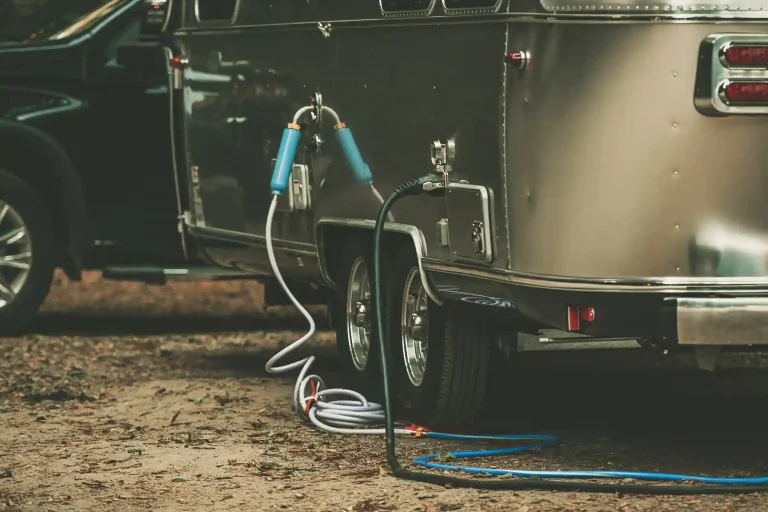
Full-hookup RV sites make winter and shoulder-season camping far more comfortable, but they also require extra care when temperatures hover near or below freezing. Improper setup during cold weather can lead to frozen hoses, sewer issues, or electrical problems that quickly disrupt a stay.
If you are RV camping near Pittsburgh during late winter or early spring, understanding how to manage full hookups in cold conditions helps you stay connected without damaging your equipment.
Why Cold Weather Changes How Full Hookups Work
In warm weather, full hookups are mostly set-and-forget. Cold weather changes that entirely.
Water lines, sewer hoses, and electrical connections are exposed to freezing air, temperature swings, and moisture. Even brief overnight freezes can cause problems if connections are not protected.
Cold-season hookups require active monitoring rather than passive use.
Setting Up Water Connections Safely in Cold Conditions
Water hookups are the most vulnerable part of cold-weather RV setups.
Heated water hoses are the safest option when nighttime temperatures approach freezing. If a heated hose is not available, limiting water use and disconnecting overnight reduces risk.
Insulating the connection point at the spigot is just as important as protecting the hose itself. Many freezing issues start at the connection rather than along the hose.
Monitoring temperatures closely helps determine when it is safer to rely on onboard water tanks instead.
Managing Sewer Hoses During Winter RV Stays
Sewer hoses should never be left fully open during cold weather.
Keeping valves closed and dumping tanks only when needed prevents liquid from sitting in the hose and freezing. A slight slope ensures proper drainage and avoids pooling.
Insulated sewer supports can help, but proper dumping habits remain the most effective way to avoid winter sewer problems.
Electrical Pedestal Safety in Winter Conditions
Electrical hookups are generally reliable in winter, but moisture and cold require extra caution.
Ensure power cords are fully connected and protected from snow, ice, and standing water. After storms or temperature swings, a quick visual check helps catch issues early.
Balancing electric heaters and appliances is also important. Cold weather increases power demand, and managing load prevents tripped breakers and equipment damage.
Preventing Ice and Slush Around Your Campsite
Ice and slush can make accessing hookups difficult and unsafe.
Clearing snow from around pedestals, hoses, and cords helps prevent freezing and improves safety. Outdoor mats reduce slipping hazards and keep mud and moisture out of your RV.
Paying attention to drainage helps prevent refreezing overnight as temperatures drop.
Monitoring Hookups During Freeze-Thaw Cycles
Late winter and early spring often bring freeze-thaw cycles that can loosen connections or create leaks.
A quick daily check of water, sewer, and electrical hookups helps catch small issues before they become major problems. This is especially important during shoulder season when conditions change rapidly.
Consistency is key to avoiding surprises.
When It’s Smarter to Disconnect Temporarily
There are times when disconnecting is the safest option.
During extreme cold snaps or extended freezes, relying on onboard tanks and minimizing hookups can protect equipment. Temporarily disconnecting water hoses reduces the risk of frozen lines and cracked fittings.
Knowing when to simplify your setup is part of smart cold-season RV camping.
Are Full Hookups Worth Using in Cold Weather?
Full hookups are absolutely worth using during winter and early spring, as long as they are managed correctly.
With proper setup and daily monitoring, RVers can enjoy comfort and convenience without unnecessary risk. Cold-season camping becomes far more enjoyable when your site is prepared for the conditions.
Plan a Comfortable Cold-Season Stay at Pittsburgh Roaring Run RV Resort
If you are looking for a place to enjoy winter or early-spring RV camping near Pittsburgh, Pittsburgh Roaring Run RV Resort offers well-maintained sites, peaceful surroundings, and the space to set up full hookups safely during the colder months.
Whether you are easing into spring travel or enjoying the quiet of shoulder season, our location near the Laurel Highlands provides a comfortable base for exploring the area while avoiding peak-season crowds.
Plan your stay at Pittsburgh Roaring Run RV Resort and experience stress-free cold-season RV camping with the right setup and the right location.